
For a lot of people the word drainage sounds like an item on a spa menu, somewhere between an algae mask and lemon water. That is the first and most common mistake I hear.
Lymphatic drainage is not the cherry on the wellness cake. It is work with a specific system in your body that either runs as it should or gets clogged. I have been doing it for years and I see two things at once: how underrated it is, and how easily it can be ruined in unskilled hands. Get comfortable, I will explain it all step by step, plainly, without dressing it up.
Price: from 210 to 360 PLN
Location: Warsaw, Powiśle (Dobra Street)
Lymphatic drainage, what it actually is
As briefly as I can put it: it is a very gentle, rhythmic massage that helps your lymph get moving. Lymph is the fluid that collects from your tissues the excess water and the waste that comes from our physiology, from the work of our muscles and from the body defending itself against stress, and then carries what is used up to the lymph nodes, where it all gets filtered. Think of it like a city’s waste collection. When the trucks run, it is clean. When they stop, within a few days it is a mess.
How lymphatic drainage works: your lymphatic system in one paragraph
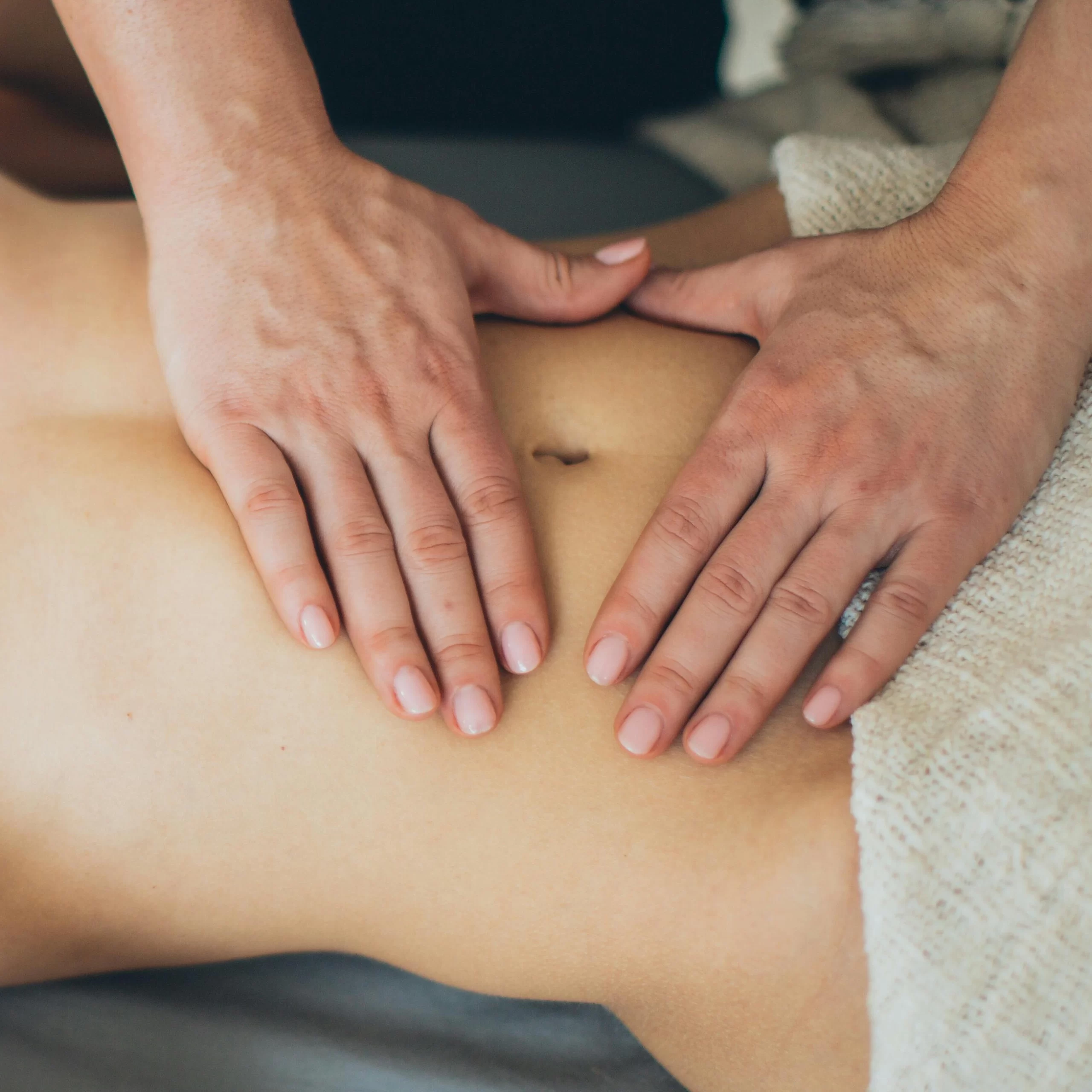
The whole catch is that the lymphatic system has no pump of its own. Blood is pushed by the heart, but lymph is pushed only by your movement and your breath. A sedentary lifestyle is, for it, a traffic jam on the ring road at rush hour. And this is where I come in: drainage is that manual push your body is missing. I guide the fluid exactly where it needs to go, along the direction lymph naturally flows, not by guesswork.
Manual drainage or pressotherapy: how they differ
You will come across two forms, and it is worth knowing what you are choosing:
- Manual drainage, my work with my hands. The most precise, because I feel under my fingers where the fluid is stuck, and that is where I work.
- Pressotherapy, sleeves or trousers that compress the legs with a wave of air. A good addition, especially for the legs, but a machine will not sense what hands sense.
„Harder does not mean better.”
Lymphatic channels lie just under the skin. The harder you press, the more you pinch them shut. It is like stepping on a hose and wondering why no water comes out. Good drainage is light, and that does not mean the therapist is holding back.
What lymphatic drainage helps with (and what it does not, whatever they promise)
Who I really help:
- people with swollen, heavy legs after standing, sitting or a long flight,
- women in the hormonal dips of their cycle and (with a doctor’s approval) in pregnancy,
- clients after surgery, including aesthetic procedures, where drainage supports healing and clears the pooling, always with the operator’s approval,
- active people, whom it helps recover their legs faster between workouts,
- anyone who simply feels heavy and wants to breathe out.
Honestly, because you will not hear this in an ad. I use the word detox reluctantly, because it sounds nice and means nothing. Drainage smooths the skin and gives lightness, yes, but it does not remove fat and it does not pull any mysterious toxins out of you. The real effects are good enough that there is no need to dress them up with fairy tales.
Who I turn away: contraindications to drainage
There are situations where I will not go near the table, no matter how much you want it. I say no with:
- active thrombosis (sudden, painful, warm swelling of one leg),
- an acute infection with a fever,
- decompensated heart failure,
- an untreated cancer, without the clear approval of the treating doctor.
That is why a proper visit starts with questions about your health, not straight away with oil and the table. If someone skips this step, a red light goes on for me, and it should for you too.
Who should perform lymphatic drainage
It looks like a simple treatment, so it is easy to end up with someone who supposedly knows how too. The difference is huge. Good drainage means knowing the anatomy of the lymphatic system, the flow directions and the contraindications. Without that, the massage is at best a pleasant stroking and at worst a risk, for example with undiagnosed thrombosis. Before you trust someone, ask about their experience and whether they take a health history before the treatment. With me, that interview is part of the work, not a courtesy chat.
Lymphatic drainage in Warsaw: price and what a visit with me looks like
I see clients in Powiśle, on Dobra Street. First we talk about why you are coming and whether there are any contraindications, then you lie down in warmth and quiet, and I work. Afterwards most people feel like a glass of water and a moment of silence (I recommend both). Full-body lymphatic drainage costs from 210 to 360 PLN, and you will find the full description in our services.
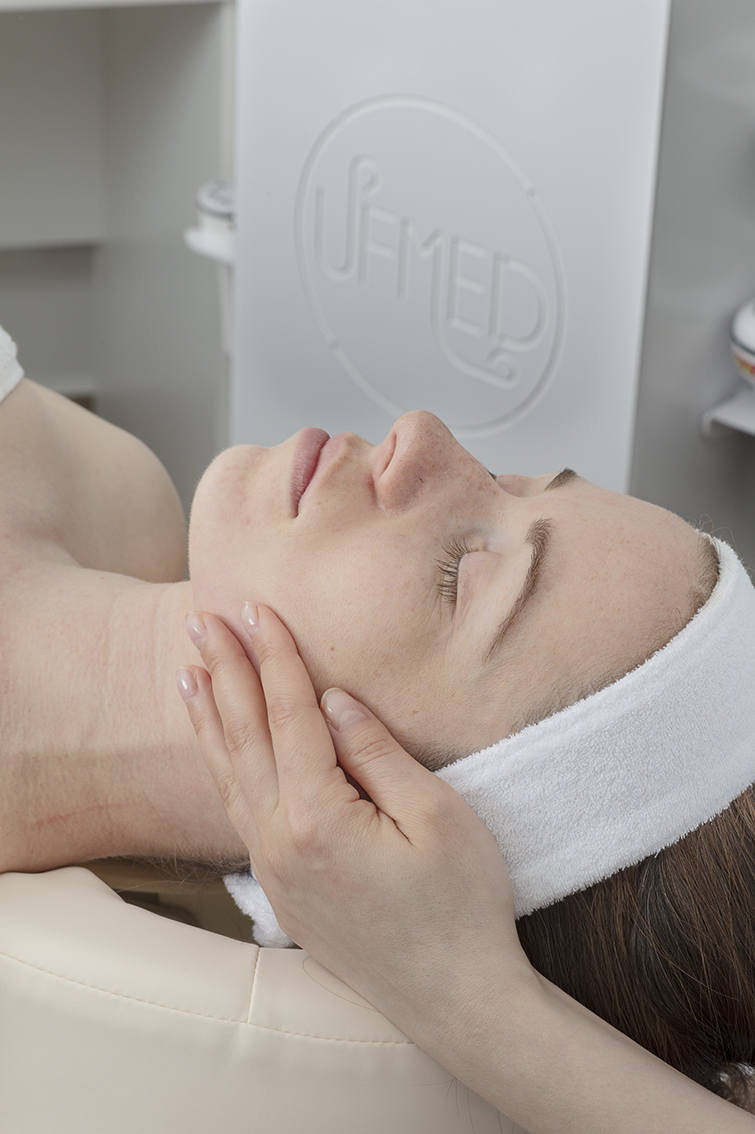
If you are unsure whether drainage is for you, do not puzzle it out online. Come in, tell me what you feel, and I will tell you straight whether this is the right path or whether it is better to start with something else.
Lymphatic drainage: frequently asked questions
Lymphatic drainage, what is it in short?
A gentle massage that helps lymph flow through to the lymph nodes. The result is less swelling, a lighter body and better recovery.
How long does the effect of drainage last?
You feel the lightness right away. How long it lasts depends on you: movement, less salt and elevating your legs extend the effect between visits. For swelling, a series works best.
Manual drainage or pressotherapy?
Manual is more precise, because I feel where to work. Pressotherapy is a good addition, especially for the legs. I often combine the two.
Does drainage help with cellulite?
It improves the tone and look of the skin and gives lightness, but it does not remove fat. It is part of caring for your body, not a miracle cure.
How much does lymphatic drainage cost in Warsaw?
At UfMed in Powiśle, from 210 to 360 PLN for full-body drainage. I set the treatment plan with you at the first visit.