
Anti-cellulite massage is an intensive manual massage that improves circulation in the skin and subcutaneous tissue, reduces the fluid retained there and makes the skin look smoother and feel firmer. At UfMed we are introducing an individually planned manual anti-cellulite massage that also covers the arms, an area often skipped in this type of treatment. We explain how it works, what you can realistically expect, when you will see results and who should not have it.
Performed by: Małgorzata Bąk
Price: from 300 PLN
Location: Warsaw, Powiśle (Dobra St.)
Table of contents
- What is cellulite and why do most women have it?
- What is anti-cellulite massage?
- How does anti-cellulite massage work?
- Why do we also massage the arms at UfMed?
- What does the treatment at UfMed look like?
- When do you see the results of anti-cellulite massage?
- What can you do at home to make the results last longer?
- Myths about anti-cellulite massage
- Who is anti-cellulite massage for?
- Contraindications to anti-cellulite massage
- Frequently asked questions
What is cellulite and why do most women have it?
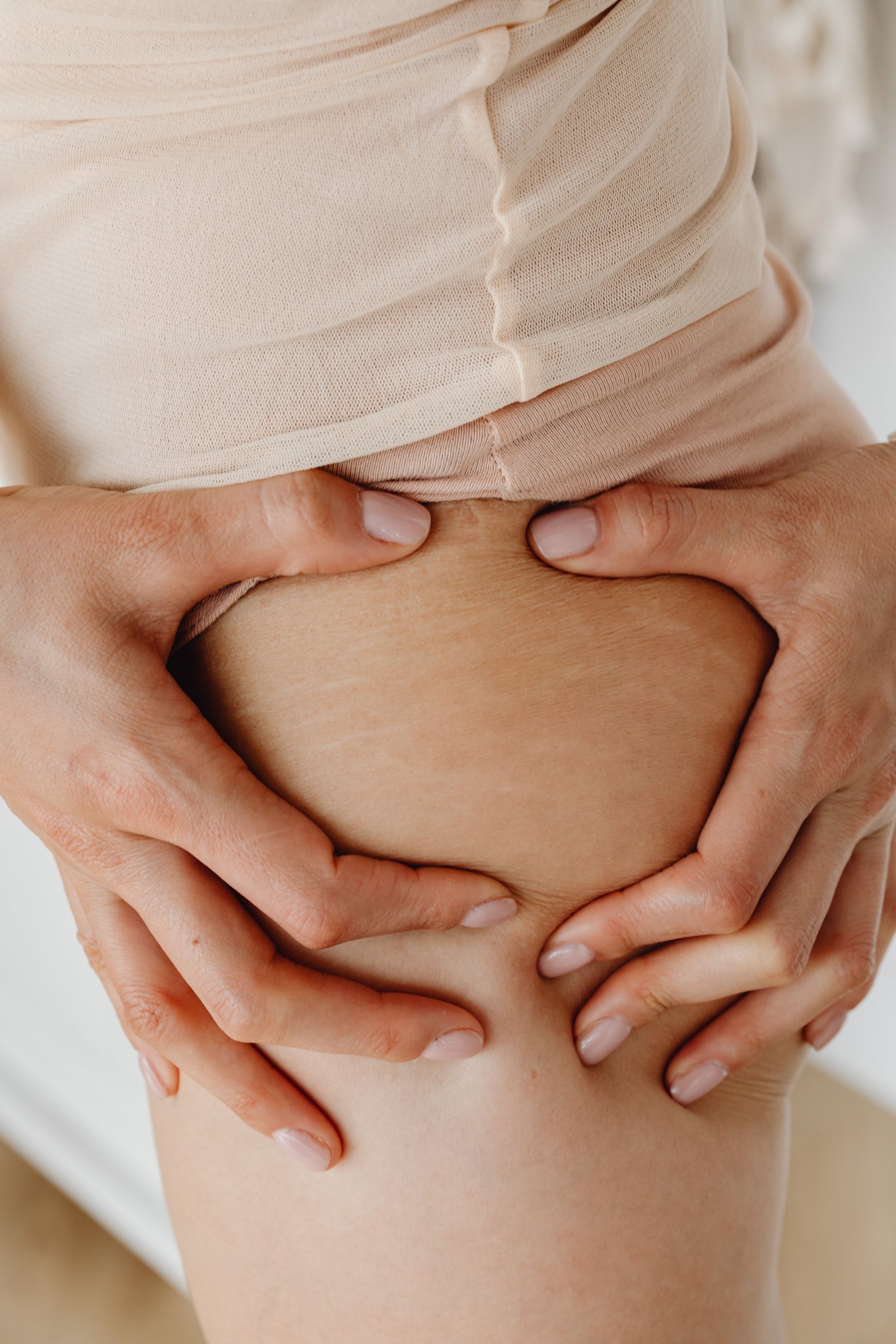
Cellulite is the uneven, “orange peel” surface of the skin. It comes from the structure of the subcutaneous tissue, not from a lack of discipline. In women, the connective tissue bands run vertically and divide the fat tissue into chambers. When the chambers grow and the bands tighten, the skin starts to pucker and forms the typical dimples. In men these bands are arranged differently, which is why cellulite is rare in men.
According to dermatological reviews, 80 to 98% of women after puberty have cellulite, regardless of their weight. It is the norm rather than the exception.
How visible cellulite is depends on hormones, genes, age, the amount of fat tissue, movement and circulation. At the end of the day, after long hours of sitting or before a period, the unevenness can look more pronounced because fluid retained in the tissues adds to it. We write more about this difference in the article Can’t see your knees? It doesn’t have to be fat.
What is anti-cellulite massage?
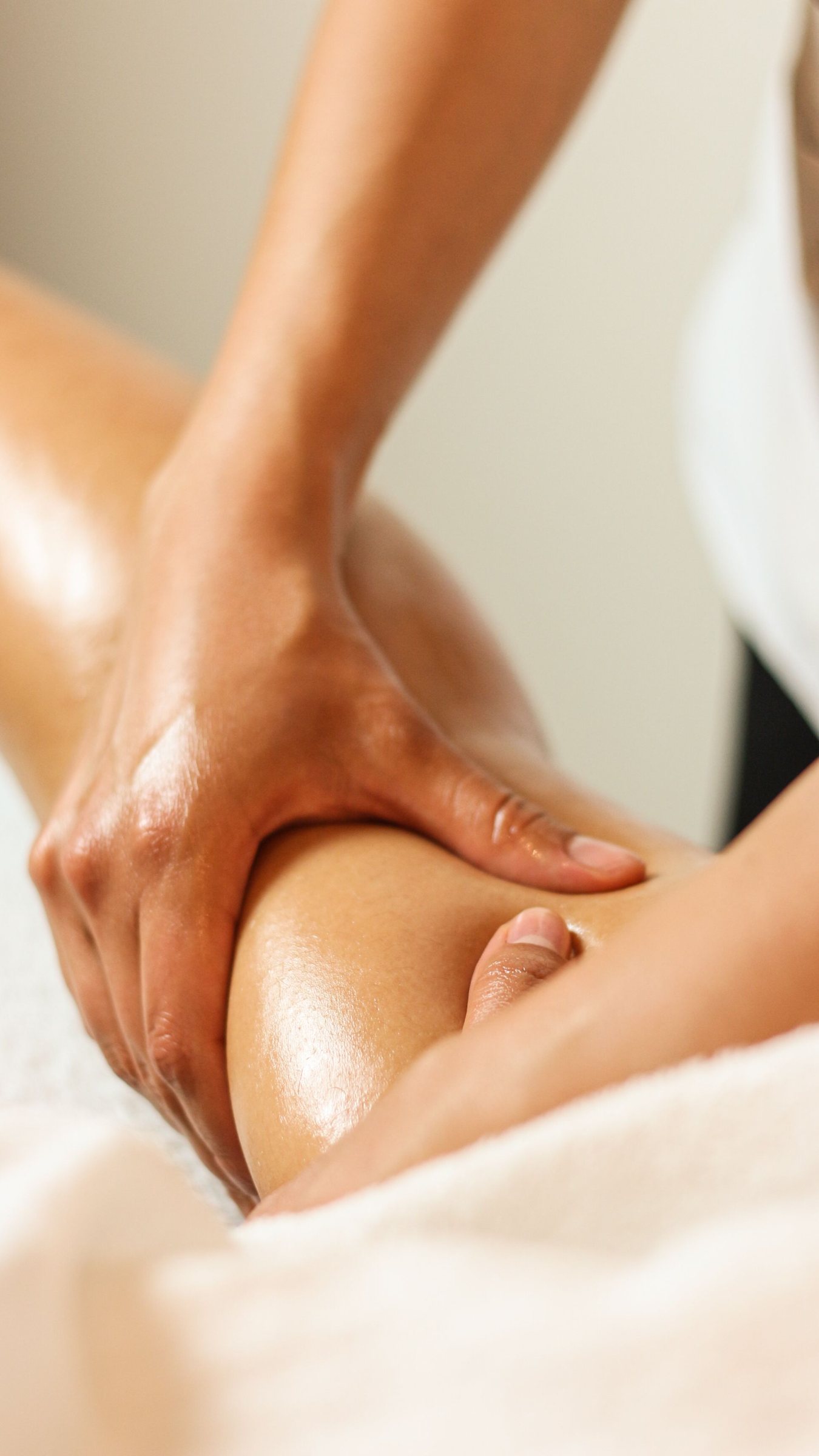
Anti-cellulite massage is intensive work on the skin and subcutaneous tissue in the areas where cellulite is most visible. Usually these are the thighs, buttocks, hips, abdomen and arms. The therapist kneads, rolls and rubs the tissue, working more vigorously than in a relaxing massage, but at a pace matched to how the skin responds.
Our own manual anti-cellulite massage, which this article is about, is performed by hand only. This lets the therapist feel in real time where the tissue is harder, where it is more sensitive and where fluid builds up, and adjust the pressure and direction of movement straight away. Hands respond to what is happening under them. Besides the manual version, at UfMed we also offer maderotherapy, an anti-cellulite massage with wooden rollers.
How does anti-cellulite massage work?
Anti-cellulite massage does not remove fat cells or break the connective tissue bands, but it improves conditions in the tissue. What you can realistically notice afterwards comes from several effects:
- better blood supply to the skin, so it becomes warmer, rosier and firmer,
- less fluid retained in the tissue, which accentuates unevenness,
- loosening of hardened, “compacted” spots that are sensitive to touch,
- a better sense of your own body, which motivates many people to move more and take care of themselves.
To be fair, there is little research on manual massage alone for cellulite, and the studies that exist usually involve small groups. A 2015 systematic review found no strong evidence for the lasting effectiveness of any of the methods assessed, and a 2020 review notes that the improvement in appearance after massage is usually temporary. That is why we talk about a result that builds up and needs to be maintained, not a one-off solution.
Why do we also massage the arms at UfMed?
The arms are one of the places where cellulite and loose skin appear most often, yet they are often skipped in anti-cellulite treatments. Most people think of cellulite in terms of thighs and buttocks, while many women worry most about the back of their arms: in a sleeveless dress, in photos, in a summer T-shirt.
In our treatment the arms are not an extra “if there is time left”. If they matter to you, we plan them from the start as a full part of the session, with a technique adapted to skin that is thinner and more delicate than on the thighs.
What does the treatment at UfMed look like?
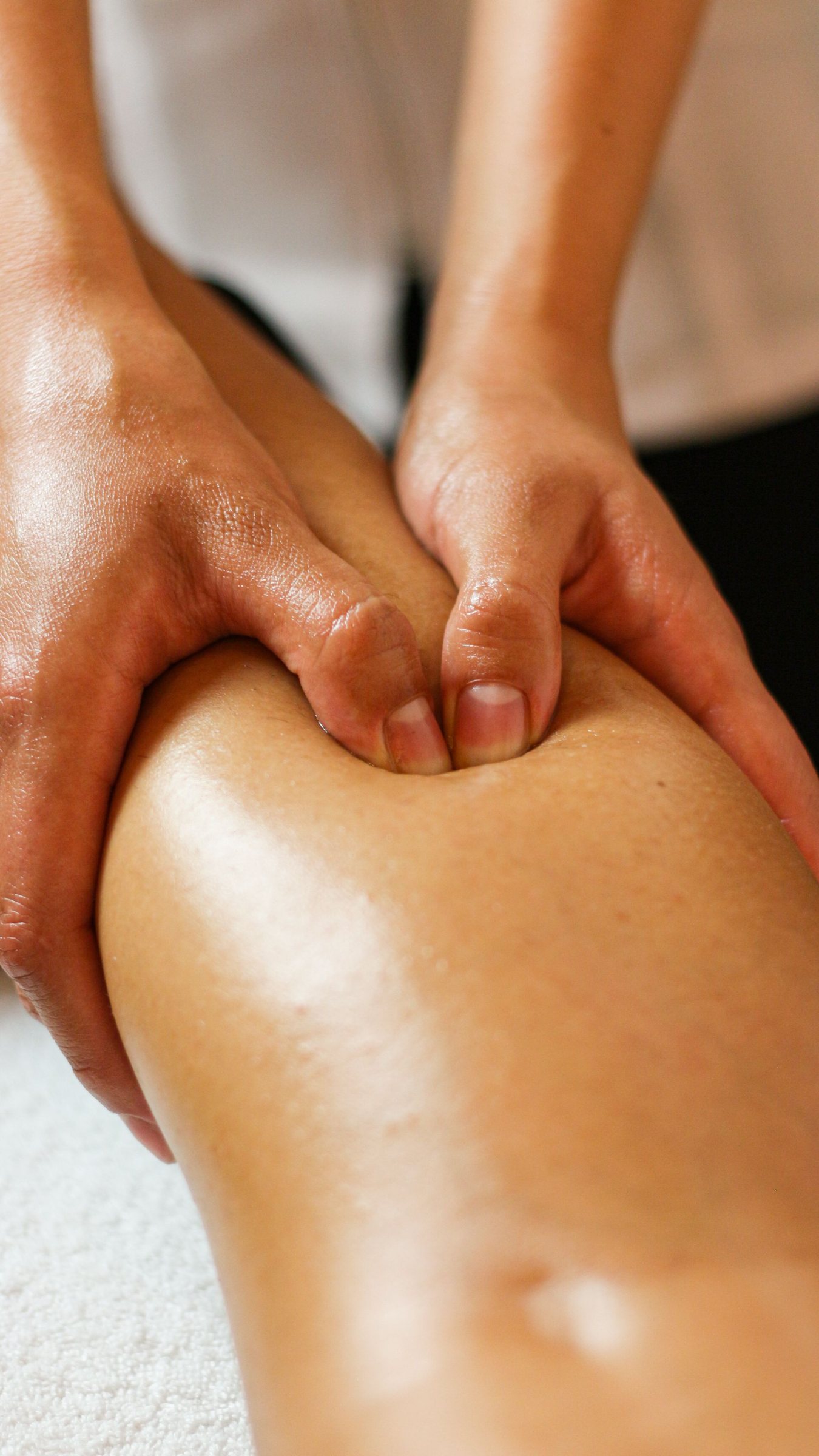
Every treatment starts with a conversation. We ask which areas matter most to you, how you react to strong touch, whether you bruise easily and whether you have varicose veins or other complaints. Based on this, the therapist decides which parts of the body to massage, in what order and with how much pressure.
- Conversation and assessment of the skin in the areas you want to work on.
- Warming up the tissue with calmer movements.
- Intensive work on selected areas: thighs, buttocks, hips, abdomen and arms.
- A calm finish with movements in the direction of fluid drainage.
- A short talk about how your skin responded and what you can do between visits.
The pressure is firm, but it should not make you clench your teeth. If something feels too strong, the therapist changes it straight away.
When do you see the results of anti-cellulite massage?
Many people notice the first change, warmer, smoother and firmer skin, after the very first treatment. This is the result of better blood supply and less retained fluid. It lasts a few days, not months.
A more visible and more stable improvement requires a series. In studies on massage and mechanical treatments for cellulite, programmes usually lasted from a few to 12 weeks, with treatments once or 2 times a week. At UfMed we agree on the number and frequency of visits after the first appointment, because it depends on how your skin responds and what result you want.
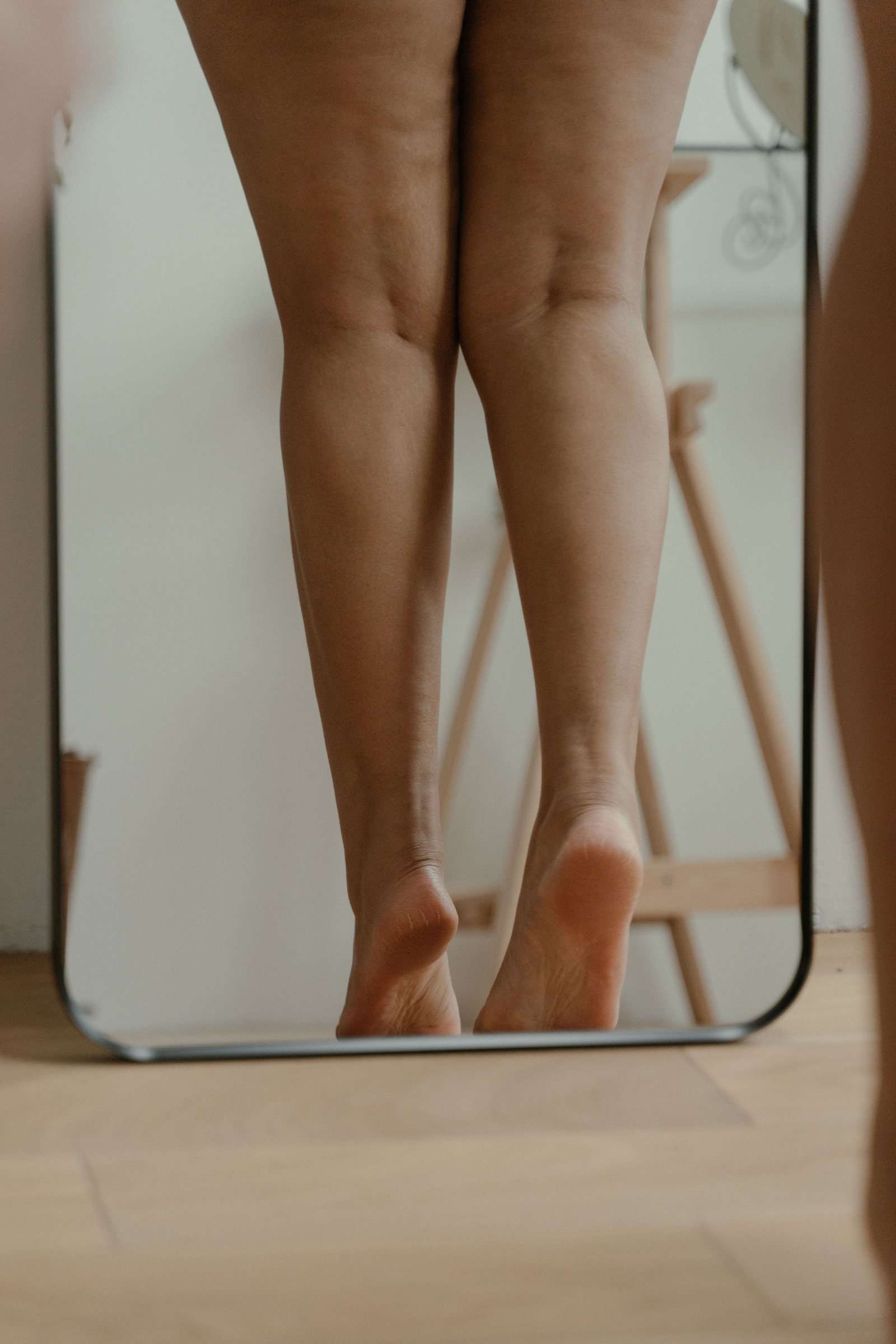
The result lasts longer when massage goes hand in hand with movement, hydration and less time spent sitting for hours. After the series, maintenance visits every few weeks work well. Without them, the skin gradually returns to its starting point.
What can you do at home to make the results last longer?
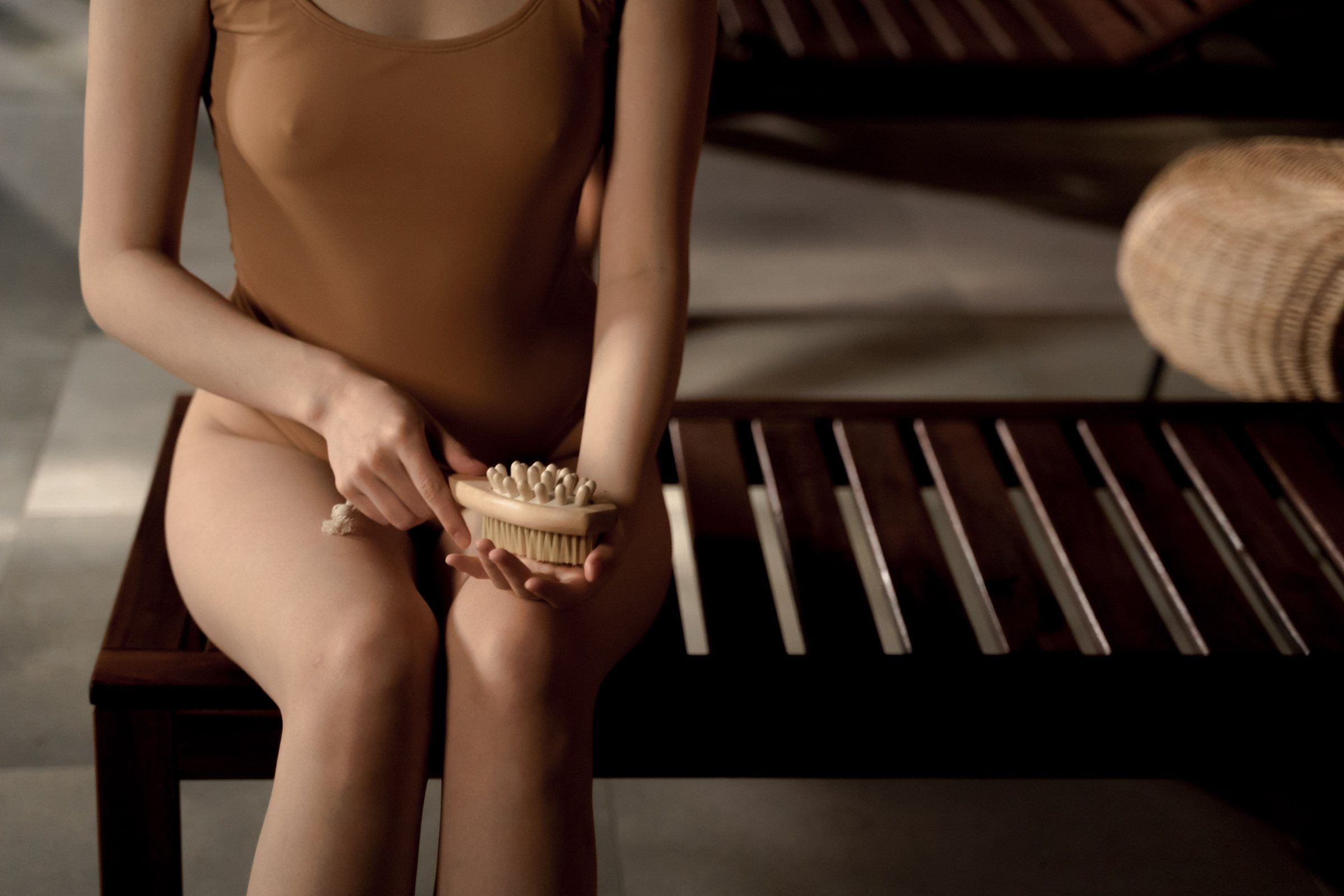
Massage improves circulation and reduces retained fluid, but what you do between visits decides how long the result lasts. It is not about a revolution, just a few habits that support the same things we work on during the treatment.
Every day
- get up from your desk at least once an hour and walk for at least a few minutes,
- drink water regularly throughout the day rather than a lot at once in the evening,
- when sitting, do not keep your legs crossed for long,
- in the evening, lie down for a few minutes with your legs slightly raised.
A few times a week
- movement that engages your legs and buttocks: brisk walking, cycling, stairs, swimming,
- for the arms, exercises with light weights or a resistance band that work the back of the arm,
- dry brushing or a massage glove in the shower, with strokes towards the heart,
- regularly massaging in a lotion or oil by hand, because that is also a few minutes of work with the tissue.
What not to do
Do not knead your skin at home so hard that it leaves bruises, and do not brush areas with varicose veins, spider veins or irritated skin. Home massage should be pleasant and regular, not painful and once a month.
An anti-cellulite cream on its own will not change the structure of the tissue, but massaged in for a few minutes every day it becomes a good excuse for regular work with your body. We write more about how daily habits affect treatment results in the article You can spend a fortune on massages and waste it all with your lifestyle.
Myths about anti-cellulite massage
Myth: anti-cellulite massage burns fat
It does not burn fat or make you lose weight. It can reduce the circumference caused by retained fluid, but the fat tissue stays. If your goal is to lose weight, massage can accompany diet and exercise, but it will not replace them.
Myth: the more it hurts, the better it works
Bruises are not the goal of the treatment or proof that it works. They can appear, though, and they do not always mean the pressure was too strong: in some people they result from weaker capillaries in the massaged area, which happens even with gentle lymphatic drainage. An intensive massage can be felt, but pain is not a measure of how well it works.
Myth: massage removes toxins
That is a marketing term. The liver and kidneys are mainly responsible for removing metabolic waste. Massage improves circulation and fluid drainage, but it does not “detox” the body.
Myth: only overweight people have cellulite
Most women have cellulite, including very slim and athletic ones. It comes from the structure of the tissue, not from weight.
Myth: one treatment before the holidays is enough
One treatment will give you refreshed, warmer skin for a few days. If you want a more visible change for summer, it is better to start the series a few weeks earlier.
Who is anti-cellulite massage for?
Anti-cellulite massage is for people who:
- want to improve the appearance and firmness of the skin on their thighs, buttocks, abdomen or arms,
- sit a lot and feel that their skin is “compacted” and cool to the touch,
- tolerate more intensive touch well,
- understand that the result builds up over a series and needs to be maintained.
If your main problem is heavy, swollen legs rather than uneven skin, first read about the causes of swollen legs. In that case lymphatic drainage may be a better choice. If you like work with tools, also check out maderotherapy in the UfMed services.
Contraindications to anti-cellulite massage
Anti-cellulite massage is not suitable, or requires a prior medical consultation, in the case of:
- pregnancy,
- thrombosis or suspected thrombosis, as well as taking anticoagulants,
- varicose veins or visible spider veins in the massaged area,
- infection, fever or skin inflammation,
- recent injuries, wounds, scars or a recent operation,
- a tendency to bruise very easily,
- painful, symmetrical thickening of the legs or arms, which may indicate lipedema,
- cancer or ongoing oncological treatment.
If you are not sure whether any of these situations applies to you, mention it when booking. Lipedema and swelling of unclear cause require a doctor’s diagnosis, and an intensive massage may do more harm than good in such cases. Once lipedema has been diagnosed, manual lymphatic drainage is used in its management and treatment, and we also offer it at UfMed.
Anti-cellulite massage will not change the structure of your tissue, but it can make your skin smoother, warmer and firmer. The best results come from a series planned for you, including the arms if they bother you most.
November offers at UfMed
If after reading this you see that heaviness and swollen legs bother you more than uneven skin, do not force yourself into an intensive anti-cellulite massage. In November, new clients can book manual lymphatic drainage for 189 PLN for 60 minutes, 269 PLN for 90 minutes or 330 PLN for 120 minutes. All clients can also choose a package of 3 full-body drainages of 120 minutes each for 950 PLN instead of 1110 PLN. Hot basalt stone massage is also on offer for all clients: 1.5 hours for 300 PLN instead of 350 PLN, 2 hours for 360 PLN instead of 430 PLN. The offer is valid on selected dates and places are limited. Booking is also available on Booksy.
About the author
Małgorzata Bąk
Małgorzata Bąk is the founder of UfMed and performs the manual anti-cellulite massage. She also works with fascia, lymphatic drainage and the face.
Meet Małgorzata and book a visit at UfMed.
UfMed, Dobra 8/10 apt. 37, Warsaw Powiśle
Read also
Frequently asked questions
Does anti-cellulite massage really work?
It can improve the appearance and firmness of the skin, reduce retained fluid and loosen compacted tissue. However, it does not remove fat tissue or permanently change the structure of the skin, and the result requires a series and maintenance.
How many anti-cellulite massage treatments do you need?
It depends on how your skin responds and what result you expect. Programmes described in studies usually lasted from a few to 12 weeks, with treatments once or 2 times a week. At UfMed we set the plan after the first visit.
Can anti-cellulite massage leave bruises?
They are not the goal of the treatment, but they can appear. They do not always mean the pressure was too strong: some people have weaker capillaries in the massaged area, and small marks happen even with lymphatic drainage. We adjust the pressure to your skin. If you bruise easily, tell us before the treatment.
Does anti-cellulite massage include the arms?
At UfMed, yes. We plan the arms as a full part of the treatment, with a technique adapted to skin that is thinner than on the thighs.
How can you maintain the results of anti-cellulite massage at home?
Get up from your desk every hour, drink water regularly throughout the day and move a few times a week so that your legs, buttocks and arms are working. Massaging in a lotion by hand every day and dry brushing towards the heart also help, avoiding varicose veins and irritated skin.
Does anti-cellulite massage help you lose weight?
No. It can reduce the circumference caused by fluid retained in the tissue, but it does not burn fat.
How much does anti-cellulite massage cost at UfMed?
Manual anti-cellulite massage at UfMed costs from 300 PLN.
Sources and further reading:
- Bass LS, Kaminer MS. Insights Into the Pathophysiology of Cellulite: A Review. Dermatologic Surgery, 2020
- Luebberding S. et al. Cellulite: An Evidence-Based Review. American Journal of Clinical Dermatology, 2015
- Sadick N. Treatment for cellulite. International Journal of Women’s Dermatology, 2019
This article is for information only and does not replace medical advice. UfMed does not make medical diagnoses.